
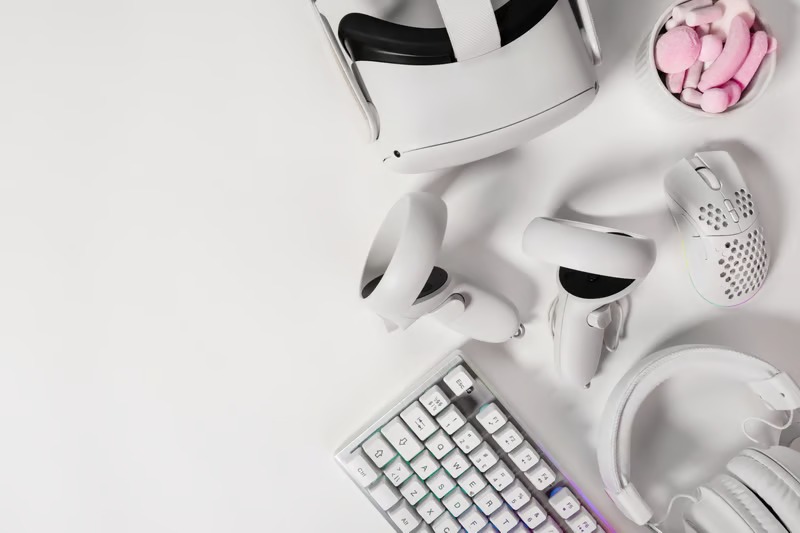
Technology has always moved at a rapid pace, but recent advances in artificial intelligence, connectivity, computing power, and smart automation have accelerated innovation like never before. Every year introduces devices that once seemed impossible. From intelligent wearables and mixed reality headsets to AI-powered assistants and revolutionary home technologies, upcoming tech gadgets are redefining how people work, communicate, create, and entertain themselves.
Consumers are no longer looking only for faster devices. They want technology that understands their habits, simplifies daily tasks, improves productivity, and enhances experiences. As manufacturers compete to deliver smarter and more intuitive products, the next wave of gadgets promises to blur the line between science fiction and reality.
This guide explores the most anticipated upcoming tech gadgets, the technologies driving them, and what users can expect in the coming years.
Why Innovation in Consumer Technology Is Accelerating
Several technological breakthroughs are converging simultaneously. Artificial intelligence is becoming more accessible, semiconductor technology continues to improve, cloud computing is expanding, and faster wireless networks are enabling seamless connectivity. Together, these developments create opportunities for entirely new categories of devices.
Consumers are also becoming more comfortable integrating technology into every aspect of life. Smart homes, fitness trackers, digital assistants, and connected vehicles have become mainstream. This growing acceptance encourages companies to push boundaries and introduce more advanced products.
The result is a marketplace filled with exciting possibilities, where innovation happens not only in flagship devices but across nearly every category of consumer electronics.
Artificial Intelligence Takes Center Stage
Artificial intelligence has evolved from a background feature into a defining element of modern technology. Many upcoming tech gadgets will rely heavily on AI to deliver personalized and intelligent experiences.
AI-Powered Personal Assistants
Future personal assistants will move beyond answering simple questions. They will understand context, predict needs, manage schedules, summarize information, and automate routine tasks. Instead of waiting for commands, these systems may proactively suggest actions based on user behavior.
AI assistants integrated into smartphones, computers, and smart home ecosystems are expected to become significantly more capable, reducing the time people spend on repetitive digital tasks.
Smarter Content Creation Tools
Creative professionals are likely to benefit from gadgets that incorporate AI-driven design, video editing, photography enhancement, and music production tools. Future devices may automatically optimize workflows, generate suggestions, and assist with complex creative projects.
This shift could make professional-level content creation more accessible to beginners while helping experienced creators work more efficiently.
The Evolution of Wearable Technology
Wearables have grown from simple fitness trackers into sophisticated health and productivity tools. The next generation of wearable devices is expected to offer deeper insights and more advanced functionality.
Advanced Health Monitoring
Future smartwatches and wearable sensors may track a broader range of health metrics. Continuous monitoring of heart activity, stress levels, sleep quality, hydration, and other physiological indicators could become more accurate and comprehensive.
The goal is not merely data collection but actionable insights. Devices may provide early warnings about potential health concerns and suggest personalized wellness recommendations.
Smart Glasses Become Practical
Smart glasses have long been considered a promising but challenging technology category. Upcoming designs are expected to be lighter, more stylish, and more functional.
These devices could provide navigation assistance, real-time translations, notifications, and augmented reality experiences without requiring users to constantly check their phones. As display technology improves, smart glasses may become a common part of everyday life.
Mixed Reality and Spatial Computing
One of the most exciting areas in consumer technology involves immersive computing experiences that blend digital and physical environments.
Beyond Traditional Screens
Mixed reality devices allow users to interact with virtual content while remaining aware of their surroundings. Instead of relying solely on monitors or smartphones, users can manipulate digital objects within real-world spaces.
This approach has significant implications for education, design, gaming, remote collaboration, and training applications.
Transforming Entertainment
Gaming companies continue investing heavily in immersive experiences. Future headsets are expected to deliver higher-resolution visuals, improved comfort, reduced latency, and more natural interaction methods.
As software ecosystems mature, mixed reality could become a major platform for entertainment, social interaction, and productivity.
The Next Generation of Smartphones
Despite the emergence of new technologies, smartphones remain central to modern digital life. Upcoming models are expected to feature substantial improvements rather than incremental upgrades.
Flexible and Foldable Designs
Foldable smartphones are becoming more refined with stronger hinges, better durability, and enhanced displays. Future devices may offer multiple form factors that adapt to different tasks, combining portability with larger screen experiences.
Manufacturers continue experimenting with designs that maximize usability while maintaining sleek aesthetics.
Enhanced AI Integration
Future smartphones will increasingly process AI tasks directly on-device. This capability improves privacy, reduces reliance on cloud services, and enables faster performance.
Features such as intelligent photography, predictive assistance, language translation, and advanced security are expected to become even more sophisticated.
Smart Homes Become Truly Intelligent
The concept of the connected home continues to evolve. Future smart home devices will focus on seamless automation rather than isolated functionality.
Connected Living Spaces
Upcoming tech gadgets for smart homes will communicate more effectively with one another. Lighting systems, climate controls, security cameras, appliances, and entertainment devices may work together automatically based on user preferences.
For example, a home could adjust lighting, temperature, and music settings automatically when residents arrive.
Energy Efficiency and Sustainability
Environmental concerns are influencing product development. Smart home technologies increasingly emphasize energy conservation through intelligent power management and real-time monitoring.
These systems help homeowners reduce costs while supporting sustainability goals.
Robotics Enter Everyday Life
Robotics technology is becoming more practical, affordable, and useful for consumers.
Household Assistance
Future home robots may handle a wider range of tasks than current robotic vacuum cleaners. They could assist with cleaning, organizing, monitoring home security, and even providing companionship.
Advances in machine learning and sensor technology are making robots more adaptable to changing environments.
Professional Applications
Beyond homes, robots are expected to play growing roles in healthcare, logistics, manufacturing, and hospitality. Consumer exposure to these technologies will likely increase as robotic systems become more visible in everyday settings.
Transportation Technology Reaches New Heights
Innovation is transforming how people travel and commute.
Smarter Electric Vehicles
Electric vehicles continue evolving with longer ranges, faster charging capabilities, and increasingly autonomous features. Advanced software systems improve efficiency while enhancing driver convenience.
Future vehicles may function as intelligent digital platforms rather than traditional transportation tools.
Personal Mobility Solutions
Compact electric transportation devices such as scooters, e-bikes, and micro-mobility vehicles are becoming more sophisticated. Improved batteries, safety features, and connectivity options are expected to expand their appeal.
Urban transportation may become increasingly flexible as these devices integrate into smart city infrastructures.
Revolutionary Computing Devices
The future of computing extends beyond traditional laptops and desktops.
AI-Centric Computers
New computers are being designed specifically to support AI workloads. Dedicated processing units enable faster machine learning operations while improving energy efficiency.
These systems will likely support more advanced software experiences and personalized computing environments.
Portable Productivity Innovations
Manufacturers continue exploring ways to enhance mobile productivity. Dual-screen laptops, modular devices, and advanced tablets are expected to offer greater flexibility for professionals, students, and creators.
The distinction between tablets and laptops may become increasingly blurred as devices evolve.
The Rise of Sustainable Technology
Environmental responsibility is becoming a key factor in product development.
Eco-Friendly Materials
Manufacturers are investing in recycled materials, sustainable production methods, and environmentally conscious packaging. Future gadgets may have significantly reduced environmental footprints.
Consumers increasingly value sustainability alongside performance and design.
Extended Product Lifecycles
Repairability and upgradeability are gaining attention. Companies are exploring ways to extend product lifespans through modular components and easier maintenance.
These efforts reduce electronic waste while providing better long-term value for consumers.
Innovations in Audio Technology
Audio devices continue to improve in quality, intelligence, and convenience.
Personalized Listening Experiences
Future headphones and earbuds may automatically adapt audio settings based on environmental conditions and user preferences. AI-driven sound optimization could deliver highly personalized experiences.
Noise cancellation technology is also expected to become more effective and efficient.
Immersive Sound Environments
Spatial audio technologies are creating more realistic listening experiences. Upcoming devices may offer enhanced sound positioning that makes entertainment, gaming, and communication feel more natural and engaging.
Health Technology Beyond Wearables
Healthcare innovation extends well beyond smartwatches and fitness trackers.
Home-Based Monitoring Systems
New health gadgets are making it easier for individuals to monitor wellness from home. These devices can collect valuable health information and provide insights that support preventative care.
This trend empowers users to take a more active role in managing their health.
Remote Healthcare Integration
Future health technologies may integrate directly with healthcare providers, enabling faster communication and more personalized treatment strategies.
Such systems have the potential to improve accessibility and convenience while supporting better health outcomes.
The Expanding World of Smart Entertainment
Entertainment technology continues evolving to meet changing consumer expectations.
Next-Level Gaming Hardware
Gaming devices are becoming more powerful and immersive. Enhanced graphics capabilities, AI-driven experiences, and cloud gaming technologies are creating new possibilities for players.
Future gaming hardware may prioritize seamless experiences across multiple devices and platforms.
Interactive Media Experiences
Consumers increasingly seek personalized entertainment. Upcoming gadgets may adapt content recommendations, viewing experiences, and interactive features based on individual preferences.
This personalization enhances engagement while expanding creative opportunities for content creators.
Challenges Facing Future Gadget Development
Despite exciting advancements, several challenges remain.
Privacy concerns continue growing as devices collect larger amounts of personal data. Companies must balance innovation with strong security protections. Consumers increasingly expect transparency regarding how information is collected and used.
Affordability is another consideration. Advanced technologies often launch at premium price points before becoming more accessible over time. Manufacturers must find ways to deliver innovation without excluding large segments of the market.
Compatibility issues also present challenges. As ecosystems become more interconnected, ensuring seamless communication between devices from different manufacturers becomes increasingly important.
Expert Advice for Consumers Interested in Upcoming Tech Gadgets
Many consumers feel tempted to purchase every new device as soon as it launches. However, experienced technology analysts often recommend focusing on practical value rather than marketing hype. Before investing in new gadgets, consider how they fit into daily routines and whether they solve real problems.
Pay attention to ecosystem compatibility. Devices that integrate smoothly with existing technology typically provide a better user experience. Consider software support, security updates, repairability, and long-term usability before making purchasing decisions.
It is also wise to wait for independent reviews when evaluating brand-new product categories. Early adopters help reveal strengths and weaknesses that may not be apparent during product announcements.
Most importantly, prioritize technology that improves productivity, health, communication, creativity, or convenience rather than simply chasing the latest trend.
What the Next Decade May Bring
The next decade could introduce technologies that fundamentally reshape everyday life. Artificial intelligence will likely become deeply integrated into nearly every device. Mixed reality may transform how people work and interact. Health monitoring systems could become more proactive and personalized.
Smart homes may evolve into fully adaptive environments capable of anticipating needs automatically. Robotics could handle many routine household responsibilities. Transportation systems may become safer, cleaner, and more autonomous.
While it is impossible to predict every breakthrough, one thing remains clear: innovation will continue accelerating, creating opportunities and experiences that were once unimaginable.
Conclusion
The world of upcoming tech gadgets is entering one of its most exciting periods. Advances in artificial intelligence, wearable technology, smart homes, immersive computing, robotics, healthcare, and sustainable design are transforming the consumer technology landscape. These innovations are not merely about adding features. They are about creating smarter, more personalized, and more meaningful experiences that improve daily life.
As technology continues evolving, consumers will have access to tools that enhance productivity, creativity, health, and entertainment in ways previously reserved for science fiction. The future is arriving faster than ever, and the next generation of gadgets promises to redefine what is possible in the digital age.
FAQs
What are the most anticipated upcoming tech gadgets?
Some of the most anticipated upcoming tech gadgets include AI-powered assistants, advanced smart glasses, mixed reality headsets, next-generation foldable smartphones, intelligent home automation devices, health-focused wearables, and innovative robotics solutions designed for both personal and professional use.
How will artificial intelligence impact future gadgets?
Artificial intelligence will make devices more personalized, efficient, and responsive. Future gadgets will understand user behavior, automate routine tasks, improve decision-making, enhance security, and deliver more natural interactions through advanced learning capabilities.
Are smart glasses expected to replace smartphones?
Smart glasses are unlikely to completely replace smartphones in the near future. However, they may become important companion devices that handle navigation, communication, notifications, and augmented reality experiences while reducing dependence on handheld screens.
Why are wearable devices becoming more popular?
Wearable devices offer convenient access to health monitoring, fitness tracking, communication, and productivity features. Advances in sensors, battery life, and artificial intelligence continue expanding their capabilities, making them increasingly valuable for everyday use.
What should consumers consider before buying new technology?
Consumers should evaluate practical usefulness, compatibility with existing devices, long-term software support, privacy protections, repairability, and overall value. Choosing technology that addresses specific needs often provides greater satisfaction than simply purchasing the newest product available.